
If you are trying to choose between a new-build community and an established neighborhood in Parker, you are not alone. It is one of the most common forks in the road for buyers here, especially in a market where lifestyle, commute, and monthly cost can matter just as much as the purchase price. The good news is that Parker offers both options, and each can fit a different kind of move. Let’s break down what really changes from one choice to the other so you can decide with more confidence.
Parker gives you two distinct paths
Parker is a growing Front Range suburb with an estimated 65,457 residents in 2024 across 22.4 square miles. Census data also shows a median household income of $130,936, a median owner-occupied home value of $658,600, and a mean commute time of 26.1 minutes.
Those numbers help explain why buyers in Parker often compare more than square footage. You may be weighing convenience, design, neighborhood layout, and long-term carrying costs all at once.
The town’s planning history also shapes this decision. Parker’s older areas were built under earlier subdivision patterns, while newer communities are influenced by the town’s current planning framework, including the 2035 Master Plan and the Land Development Ordinance adopted in 2024.
What new-build Parker usually feels like
In Parker, newer communities often follow a master-planned model. The town’s master plan says neighborhood developments are primarily master-planned, with lot sizes that can vary because homes may be clustered to preserve open space or sensitive land features.
That usually creates a more intentional layout. You may see connected trails, preserved open areas, and a more coordinated streetscape from one section of the community to the next.
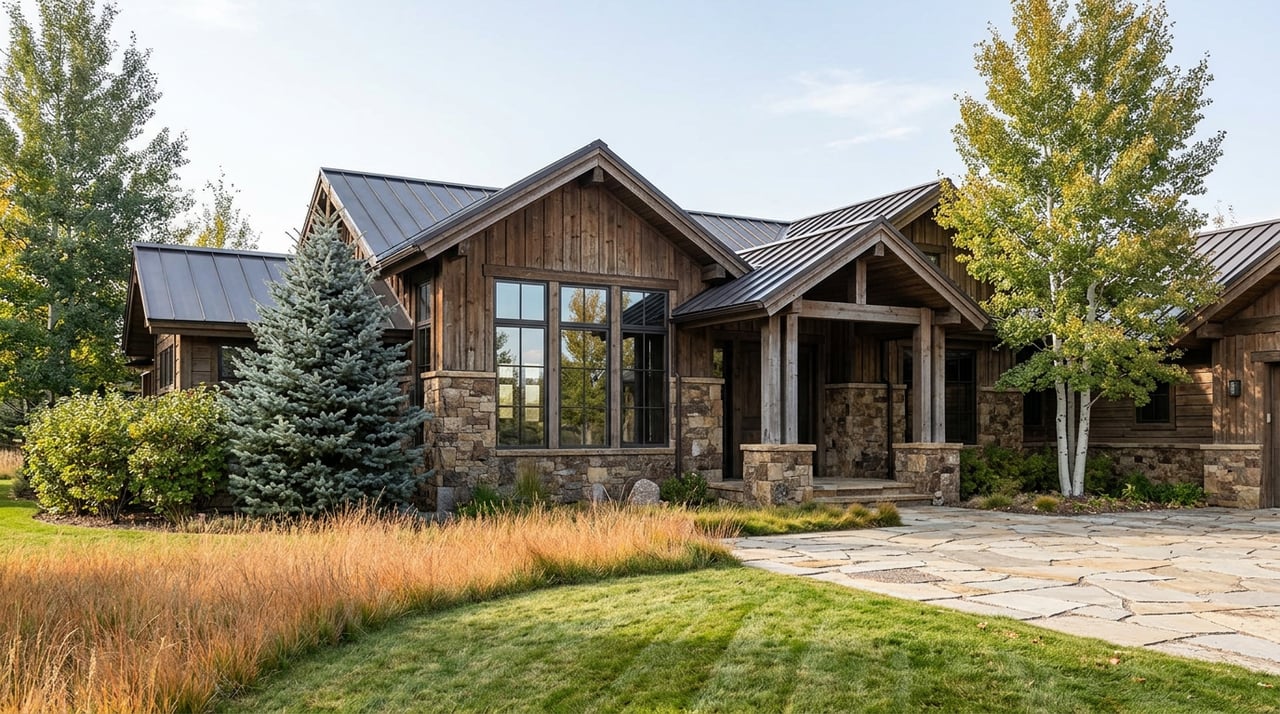
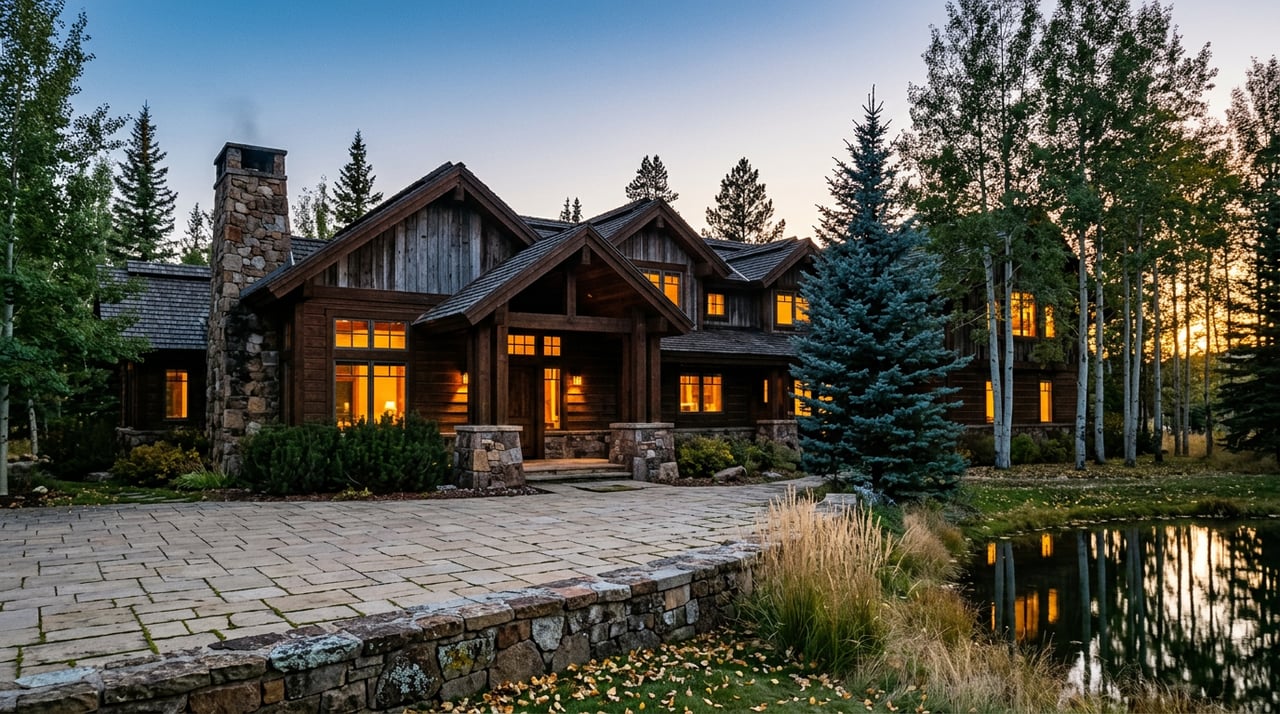
The town’s planning language also emphasizes high-quality materials, variation in building form, and protection from repetitive-looking housing. In practical terms, that means many new-build neighborhoods in Parker are designed to feel cohesive without looking completely identical.
New-build advantages to consider
A new-build neighborhood can be a strong fit if you want a more predictable environment. In many cases, you will see:
- More current design standards
- Community-wide planning around open space and trails
- A consistent look and feel
- Newer infrastructure and neighborhood layout
- Amenities that are planned as part of the development
Current examples in and around Parker show how broad that category can be. Tanterra is described as a master-planned community with 3,300 homes across 1,200 acres, built around open-space corridors, trails, and a 30-acre central park. Vivant is marketed as new construction with single-family homes on 1.5-acre lots, while Pradera is described as a private golf-course, master-planned community between Parker and Castle Rock.
New-build tradeoffs to watch
Newer does not automatically mean simpler. One of the biggest tradeoffs is that predictability often comes with more structure.
Many new communities include HOA governance, and in Colorado subdivisions, metro district financing can also be part of the cost picture. The practical takeaway for you is simple: monthly carrying costs in a newer Parker community may include both HOA dues and metro-district-related property taxes.
That distinction matters because Colorado guidance treats HOA fees and metro district fees as separate housing-cost items. If you are comparing two homes with similar prices, these added costs can change the monthly budget in a meaningful way.
What established Parker neighborhoods usually offer
Established Parker is not one single style. The town’s subdivision map includes a wide range of existing areas, such as Canterberry Crossing, Stroh Ranch, Clarke Farms, Jordan Crossing, Saddlebrook Farm, Parker Square, Idyllwilde, and Heirloom.
That variety is a major part of the appeal. Instead of one development identity, you are often choosing from a broader mix of street patterns, home styles, lot configurations, and neighborhood character.
The town’s planning language supports protecting existing residential neighborhoods and helping them remain special places as they evolve. For buyers, that often translates into a sense of neighborhood fabric that has had more time to settle in.
Established neighborhood strengths
An established neighborhood may be the better fit if you value individuality and a more mature setting. Depending on the area, you may find:
- More variation from one block to the next
- Earlier design eras and less standardized architecture
- A settled street network
- Different lot layouts and neighborhood patterns
- A stronger sense of existing neighborhood identity
Salisbury Estates helps show the wider range on this side of the Parker market. The town describes it as a large unincorporated area surrounded by Parker, with about 923 acres and 70 parcels, and a rural residential character. That is very different from a tightly planned newer subdivision, and it shows how broad the established category can be.
Established neighborhood tradeoffs
The biggest tradeoff with an established neighborhood is that conditions can vary more from one area to another. You may need to look more closely at the specific block, subdivision, or street because there is often less standardization.
That is not necessarily a downside. It simply means your decision may depend more on the exact home and location, rather than on the overall branding of the neighborhood.
The biggest differences buyers notice
When you compare new-build and established neighborhoods in Parker, a few categories tend to matter most.
Architecture and streetscape
Parker’s design standards emphasize quality materials, building variation, and attractive streetscapes. In newer communities, that often shows up through a coordinated design approach and visible planning around neighborhood appearance.
Established neighborhoods are more likely to reflect the era in which they were built. That can mean more visual variation, different home styles, and a less uniform streetscape from one section to another.
Lot size and open space
This is one of the most important comparison points in Parker. The town explicitly says lot sizes in master-planned communities can vary because homes may be clustered around open space.
So if you assume newer always means smaller lots, that is not always true. Some newer communities may use smaller or more efficiently arranged lots to preserve trails and shared open space, while places like Vivant show that larger-lot new construction also exists.
On the established side, you may also see a wider spread of lot types. Salisbury Estates represents the more rural-residential end of the spectrum, which can feel very different from a newer planned neighborhood.
HOA and metro district costs
This is one of the most practical parts of the decision. HOA fees and metro district costs are not the same thing, and both may affect your monthly housing expense.
The Colorado Division of Real Estate provides consumer guidance for HOA rights and responsibilities, while Colorado housing guidance lists HOA fees and metro district fees separately in housing-cost calculations. If you are comparing homes, ask for a full picture of both so you understand the real monthly obligation.
Commute and access
Where you live in Parker can shape your daily routine more than many buyers expect. The town lists public transportation options that include Parker FlexRide, Route PD to downtown Denver, Route 483 to the Lincoln Light Rail Station and Nine Mile Station, Access-a-Ride, and park-n-ride access at Lincoln and Jordan and in downtown Parker.
The town also launched Link On Demand service in select Parker areas in April 2026, including Parker Road, downtown, Crown Point, AdventHealth Parker Hospital, and south to Hess Road. Whether you prefer access to Parker Road, Mainstreet, E-470, Lincoln and I-25, or downtown, location inside Parker can make a noticeable difference.
So which is better in Parker?
The strongest answer is not that one is better for everyone. In Parker, new-build generally means more planning controls, newer design standards, and more attention to HOA and metro district structure. Established neighborhoods generally mean more existing neighborhood fabric, broader subdivision variety, and more difference from one area to the next.
If you like predictability, coordinated design, and the feel of a newer planned community, new-build may be the better match. If you prefer variety, a more settled setting, and a neighborhood identity that has developed over time, an established area may suit you better.
A simple way to choose
If you are narrowing your options, start with the questions that affect your everyday life most:
- Do you want a more planned, consistent neighborhood environment?
- Would you rather have more variation in home style and streetscape?
- Is lot size or open space your bigger priority?
- Are you comfortable with possible HOA dues and metro district costs?
- Which commute pattern fits your week best?
When you answer those questions first, the right fit often becomes much clearer.
In a place like Parker, the best move is usually not about picking the newest home or the oldest neighborhood. It is about finding the setting that supports how you want to live, move, and budget day to day. If you want help comparing Parker communities with a sharper eye on lifestyle, design, and monthly cost, Drake Guidry can help you sort through the details and find the right fit.
FAQs
What is the main difference between new-build and established neighborhoods in Parker?
- In Parker, new-build neighborhoods generally offer more planning controls, newer design standards, and a more coordinated community layout, while established neighborhoods usually offer more variety, a settled street network, and a wider range of neighborhood character.
Do new-build neighborhoods in Parker always have small lots?
- No. Parker’s planning framework allows lot sizes in master-planned communities to vary, and some newer communities cluster homes around open space while others, such as Vivant, are marketed with larger 1.5-acre lots.
Are HOA fees and metro district costs the same in Parker communities?
- No. Colorado guidance treats HOA fees and metro district fees as separate housing-cost items, so you should review both when comparing the monthly cost of a home.
Are established neighborhoods in Parker all similar to each other?
- No. Parker’s subdivision map shows a wide mix of established areas, which means older neighborhoods can differ significantly in layout, home style, and overall feel.
Does location inside Parker affect your commute options?
- Yes. Parker offers several public transportation options and access points, and commute convenience can change based on how close you are to routes like Parker Road, Mainstreet, E-470, Lincoln, I-25, or downtown Parker.