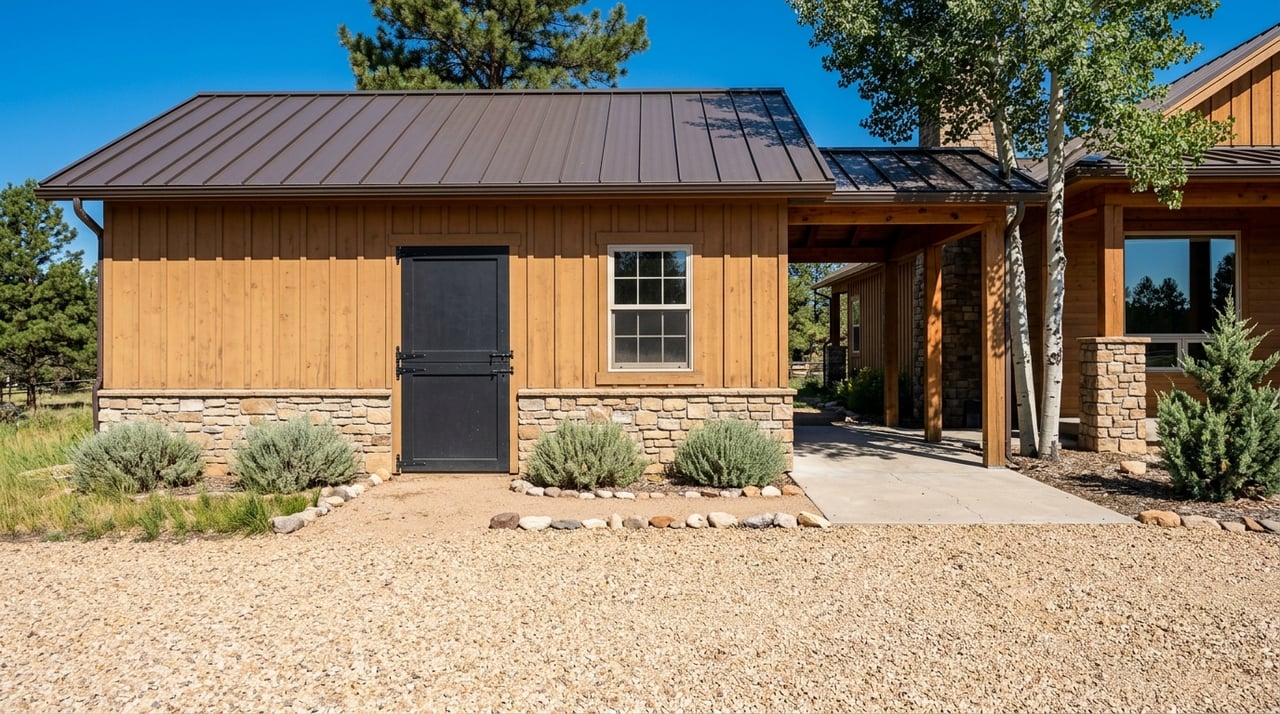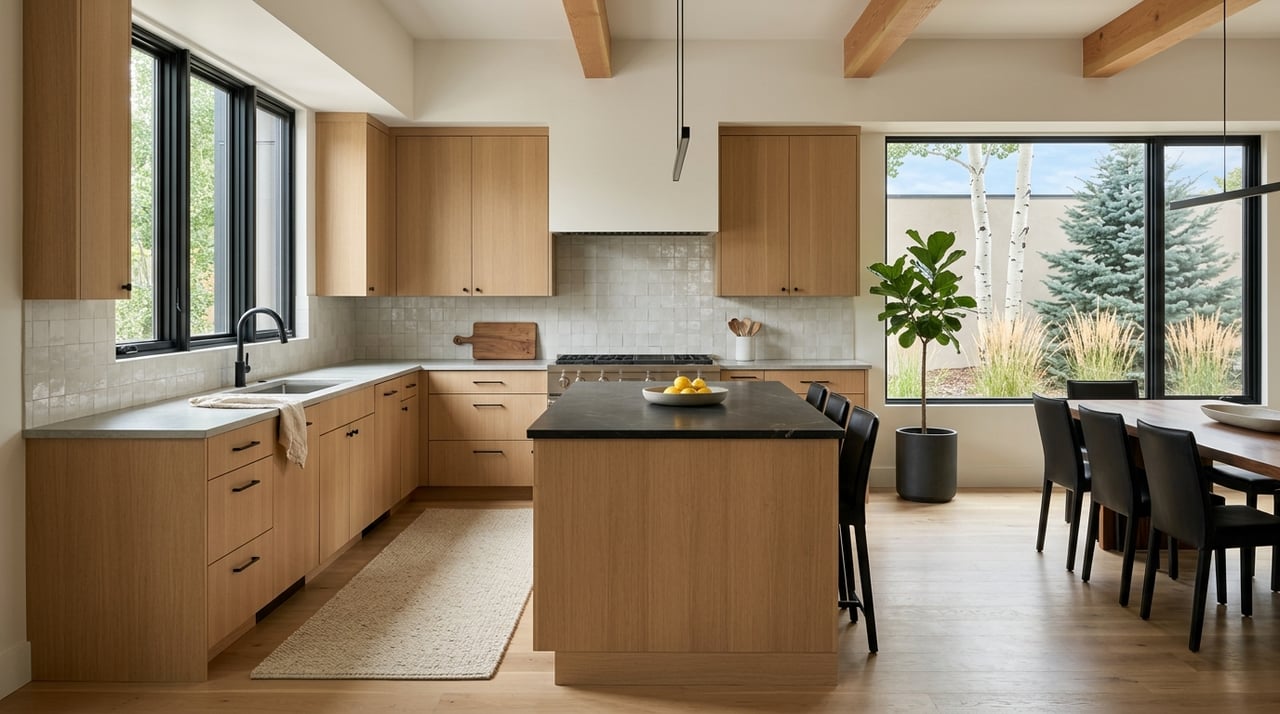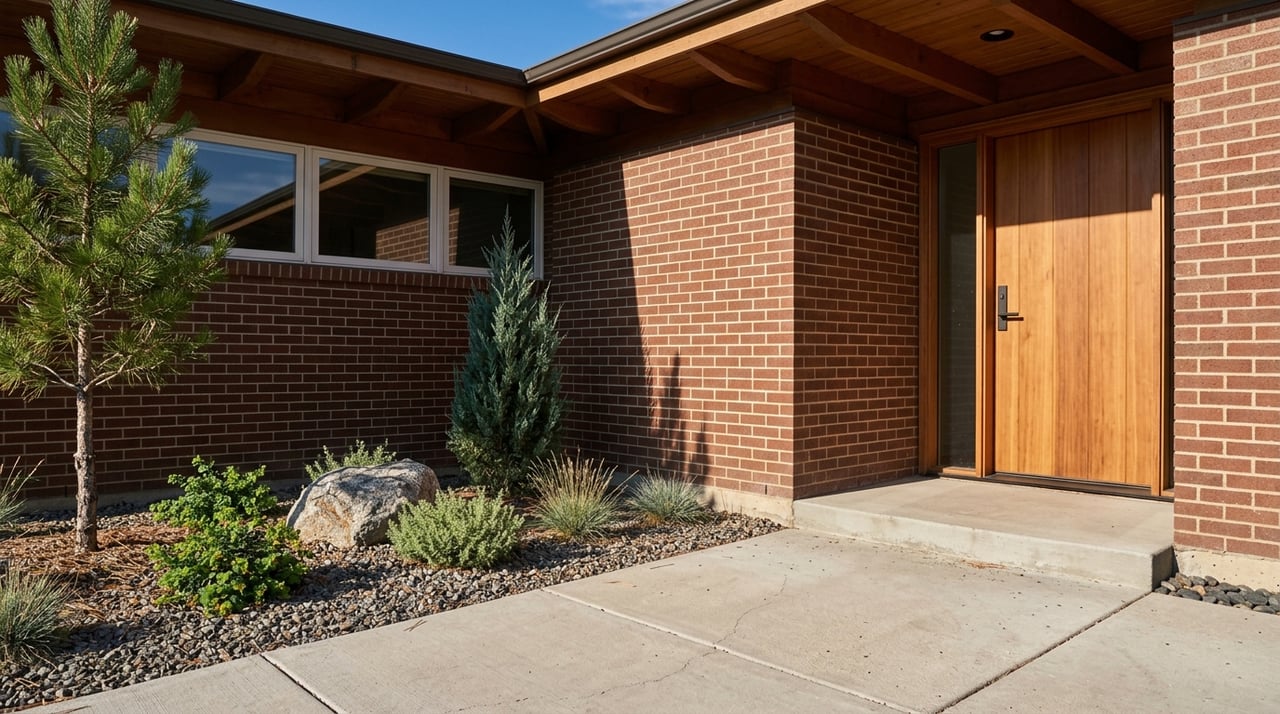
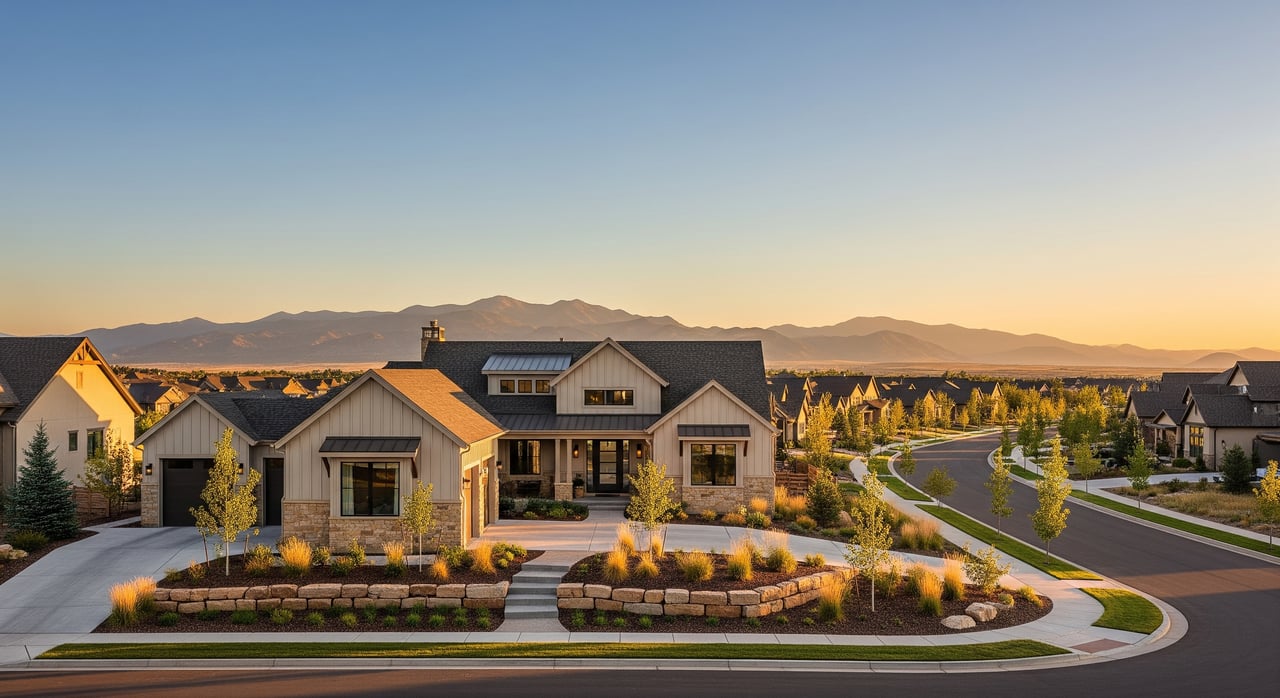
Outgrowing your first Parker home and craving more space or a different lifestyle is a good sign your next move should be strategic. As a move-up buyer, you are balancing lot size, neighborhood feel, school boundaries, HOA and metro-district costs, commute, and access to amenities. This guide gives you a practical way to compare Parker’s neighborhood types, plus snapshots of representative areas, a due-diligence checklist, and clear steps to verify costs and boundaries before you buy. Let’s dive in.
Quick compare: Parker neighborhood types
| Category | Typical lots and homes | Pros for move-up buyers | Tradeoffs to expect |
|---|---|---|---|
| Estate and acreage (often unincorporated) | 1+ acre lots, custom and semi-custom homes | Privacy, space for outbuildings, strong appeal to acreage seekers | Longer drives to services, more maintenance, some parcels on septic and well |
| Master-planned communities | About 0.10 to 0.25 acre lots, ranges from townhomes to larger single-family | Community pools and trails, newer builds and energy efficiency, cohesive look | HOA rules and dues, possible metro-district taxes, smaller yards |
| Old Town and downtown-adjacent | Mixed ages and styles, roughly 0.15 to 0.35 acre lots | Walkability to shops and festivals, mature trees, strong location-based resale | Less privacy, fewer large-lot options |
| New luxury and gated pockets | Larger footprints on medium to large lots, higher-end finishes | Modern layouts, higher ceilings, many 3+ car garages | Higher price points and taxes, demand can be sensitive to rate shifts |
How to match your priorities
Start with non-negotiables. If space for a detached shop or extra garage bay matters most, estate and acreage areas rise to the top. If you want community pools and a neighborhood social fabric, master-planned fits well. If weekend strolls to coffee and events are your thing, focus near Old Town. If you want newer luxury finishes and open-concept plans, target newer luxury pockets.
Neighborhood snapshots for move-up buyers
The areas below map to the four categories above. Use these snapshots to shape your short list, then verify details address by address.
The Pinery and nearby acreage pockets (Estate and acreage)
If you want elbow room and a classic Parker setting, The Pinery and surrounding acreage pockets often deliver larger lots and a more natural feel. Many parcels in the broader acreage areas are in unincorporated Douglas County, so you may see septic and well service. That can mean more independence, plus potential for accessory structures, subject to local rules.
What to verify here:
- Utility setup, including any septic and well inspections and maintenance history.
- Whether a specific property is in an HOA and what rules apply, since acreage pockets vary.
- Typical drive times to your workplace at peak hours, since estate areas can be farther from Town Center.
Timbers at The Pinery and Pradera (New luxury and gated pockets)
Luxury-minded buyers often look at newer custom or semi-custom sections like Timbers at The Pinery and Pradera. You will commonly find modern floor plans with generous kitchens, higher ceilings, and 3 or more garage bays. Lots are larger than many master-planned parcels, and finishes tend to be upscale.
What to verify here:
- HOA rules on exterior changes and landscaping, plus any design-review steps.
- Metro-district presence and current mill levies, since those affect your annual taxes.
- Seasonal demand and pricing trends for luxury inventory relative to interest-rate shifts.
Stonegate and Stroh Ranch (Master-planned communities)
For neighborhood amenities and a friendly community rhythm, Stonegate and Stroh Ranch are classic Parker choices. Expect a range of home sizes, access to trails and parks, and a consistent neighborhood look guided by HOAs. Lots are typically smaller than estate areas, which can mean easier upkeep.
What to verify here:
- HOA dues, what they cover, and any rental or parking rules that matter to you.
- Whether the home sits in a metro district and how that impacts total property taxes.
- Proximity to everyday needs like grocery, healthcare, and rec centers within a short drive.
Canterberry Crossing and Idyllwilde/Reata North (Master-planned communities)
These areas offer a range of product types that can meet different price points. You can often find neighborhood amenities, trail connections, and newer or recently built homes. Many move-up buyers like the balance of size, design, and community setting.
What to verify here:
- School boundaries for a specific address, since boundaries can change and may vary within a subdivision.
- HOA and any metro-district obligations, including bond debt that influences future taxes.
- Recent comparable sales within the nearest micro-area to gauge price per square foot.
Old Town Parker and adjacent blocks (Old Town and downtown-adjacent)
If walkability is high on your list, look near Old Town and surrounding established blocks. You will see a mix of older homes and infill with character and mature landscaping. Yards vary, but they are often mid-sized and manageable compared with acreage.
What to verify here:
- Specific lot size and any easements that affect outdoor projects.
- Driveway and street-parking dynamics for guest parking.
- Resale fundamentals tied to location and walkability to dining, events, and services.
Commute and transportation reality
Parker sits in the southeast Denver suburbs. Typical drive times can range from about 30 to 60 minutes to downtown Denver depending on traffic and your starting point, and about 20 to 40 minutes to the Denver Tech Center. Peak-hour congestion on I-25, Parker Road, and the E-470 corridor can add noticeable time. There is limited fixed-rail access from Parker. Some express bus and park-and-ride options may be available, and E-470 offers faster beltway access with tolls. Before you buy, test your door-to-door commute at peak and off-peak from the specific neighborhood you prefer.
HOA and metro districts: what to vet
Monthly carrying costs and long-term value are shaped by HOA and metro-district structures. Review these items during your inspection and document review window.
- HOA documents: CCRs, bylaws, rules, architectural guidelines, and recent board minutes for potential rule changes.
- Financials: the past 12-month budget and reserve study to assess future maintenance needs and the risk of special assessments.
- Assessment history: current dues, any planned increases, and transfer or resale certificate fees.
- Metro districts: annual financials, mill levies, outstanding development bonds, and any scheduled redemptions or refinancings that could change future taxes.
- Where to confirm: Douglas County Assessor and Treasurer records for taxes and special assessments, Colorado DOLA and the district’s website for audited financials, and the seller’s disclosure and HOA resale certificate.
Why it matters: two homes with similar list prices can have very different total costs if one sits in a metro district with higher mill levies or faces a near-term special assessment.
Schools and boundaries: how to research
School boundaries in Douglas County can shift, and they sometimes vary within a single subdivision. Confirm assigned elementary, middle, and high schools for the exact address using the district’s boundary maps or school finder. For performance context, review Colorado Department of Education data and multiple independent rating sources, since one metric alone does not tell the whole story. If you are exploring alternatives, note private and charter options in the broader metro area and consider commute and logistics alongside academics.
Market fundamentals and resale drivers
Across the Denver region, appreciation slowed or stabilized in many areas during 2023 and 2024 given higher mortgage rates. In Parker, move-up demand often concentrates around larger lots, usable outdoor living, proximity to school boundaries that align with a buyer’s goals, walkability to Old Town, and access to parks and trails. New construction supply nearby can cap appreciation for similar resale homes, while clear HOA and metro-district financials support stronger buyer confidence. Ask your agent for recent MLS comps, local inventory levels, and days on market for your target micro-areas.
Move-up buyer checklist for Parker
Use this list to compare 3 to 5 candidate neighborhoods or micro-areas. Verify each item for the specific address.
- Lot size and type: typical neighborhood range and the exact lot for the home you like.
- Home profile: square footage, bed and bath count, finished basement, garage bays.
- Schools: assigned elementary, middle, and high school; confirm boundaries.
- HOA: dues, what is included, CCRs, rules, architectural review steps, rental and parking policies.
- Metro district: whether one applies, mill levies, bond debt, and any planned changes.
- Utilities: water and sewer provider or septic and well; recent inspections if applicable.
- Commute: test peak and off-peak drives to your workplace and regular destinations.
- Amenities: grocery, healthcare, parks, trails, and rec centers within a 5 to 10 minute drive or walk.
- Market data: 3 to 6 months of comps and price per square foot vs. Parker overall.
- Carrying costs: property taxes including metro-district levies, HOA dues, utilities, and typical lot maintenance.
Printable comparison table
| Neighborhood or micro-area | Lot size notes | HOA and metro-district notes | Schools to confirm | Peak/off-peak commute | Recent comps checked |
|---|---|---|---|---|---|
Your next steps
- Tour one example from each category to feel the tradeoffs in person.
- Confirm school boundaries for the addresses that make your shortlist.
- Request HOA documents, metro-district disclosures, and recent tax statements early.
- Ask for a side-by-side estimate of total monthly costs, including taxes and HOA.
If you want a high-touch, luxury-minded approach to your move-up search in Parker, schedule a coffee or a neighborhood tour with Drake Guidry. We will help you narrow the right areas, surface on and off-market options, and negotiate with confidence.
FAQs
Which Parker neighborhoods offer the biggest yards for move-up buyers?
- Estate and acreage areas, including acreage pockets and parts of The Pinery, tend to offer the largest lots, while master-planned areas typically range around 0.10 to 0.25 acre.
Are there parts of Parker without an HOA that move-up buyers should consider?
- Yes, especially in unincorporated acreage areas, although rules vary by parcel, so always verify whether a specific address is in an HOA and what the covenants require.
How do metro districts in Parker affect my property taxes as a move-up buyer?
- Metro districts can add mill levies to repay development bonds and fund services, which raises annual taxes, so review district financials and mill levies before you buy.
How long is the commute from Parker to downtown Denver or the Denver Tech Center?
- Typical drives range about 30 to 60 minutes to downtown Denver and about 20 to 40 minutes to the Denver Tech Center, with longer times during peak hours.
How should I evaluate schools when comparing Parker neighborhoods as a move-up buyer?
- Confirm assigned schools for the exact address using district tools, then review state data and multiple independent sources for broader context, since boundaries and performance can change.