Tomorrow night, the Castle Pines City Council is scheduled to vote on the city's first-ever Annexation Policy. It's the kind of meeting most homebuyers will never hear about, and it's exactly the kind of meeting that should matter to anyone comparing Castle Pines against Parker, Castle Rock, or the rest of the Front Range this fall.
Here's the problem with how most people shop this city: they search "Castle Pines" on a map, get one blended set of results, and assume they're looking at one market. They're not. Behind that single search box are two distinct housing markets that happen to share a boundary and a name, and the vote happening this week is about which one keeps its shape and which one keeps changing.
The map that doesn't match the market
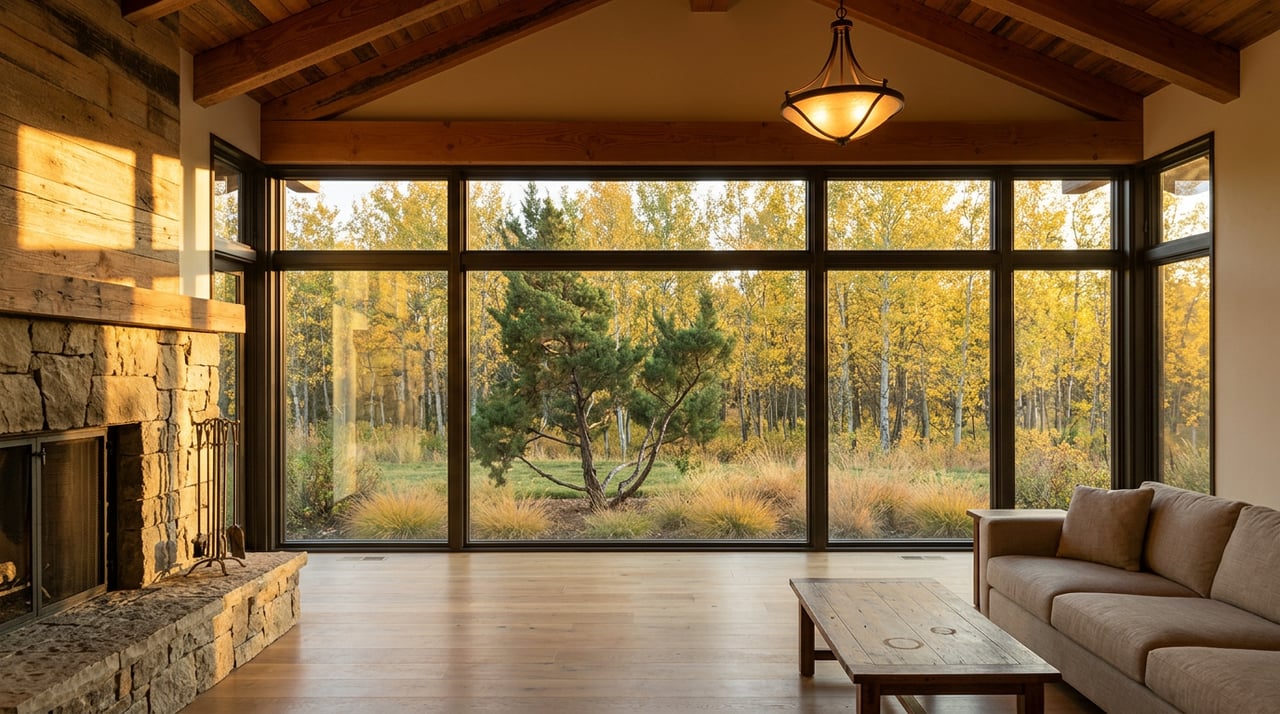
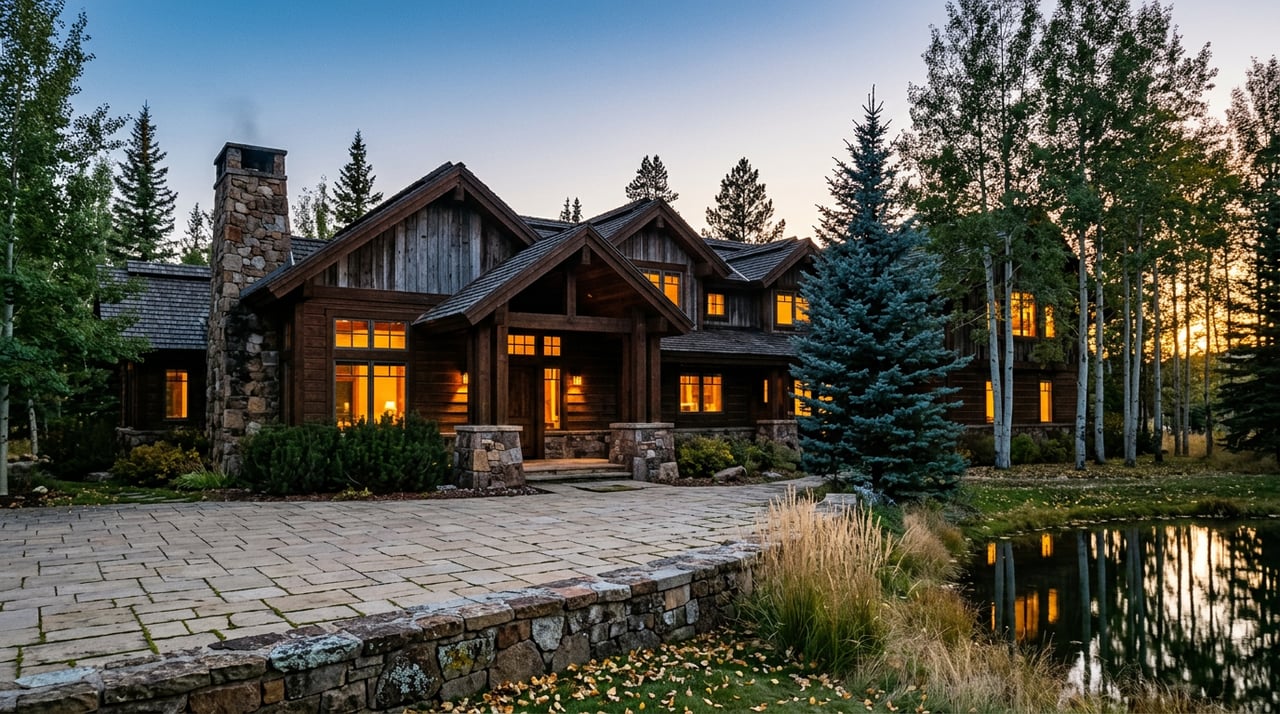
Drive through Castle Pines Village, the gated community anchored by The Village at Castle Pines and its five staffed entry gates, and you're in a place that sits at 6,000 to 6,500 feet along rock outcroppings, with 40 full-time emergency services officers on call and a Homes Association that runs its own Forest Stewardship Committee. Homes here have traded around $1.6 million over the three months ending in May 2026, and the neighborhood is essentially built out. There isn't a wave of new construction coming to change what a buyer gets for that price.
Now cross I-25 into The Canyons, the newer expansion of Castle Pines that didn't exist in any meaningful way when the city last updated its comprehensive plan back in June 2021. This is where the city's actual growth is happening, and it's where the citywide numbers get pulled toward the middle. As of August 2026, Castle Pines homes were listed at a median of $935,000, a figure that's down slightly from a year earlier even as the Village segment holds steady in the seven figures. Widen your search radius by half a mile in this city and you can go from a golf-course estate lot to a brand-new rental townhome, and the portal will call both of them "Castle Pines" without blinking.
Douglas County's own market data backs this split up. In February 2026, homes across the broader Castle Pines subregion sold for close to $1 million on average, up 1.9 percent year over year. But townhomes in the same reporting area sold for a median of $550,000, down almost 1 percent, and there had only been one townhome sale in the entire city through the first two months of 2026, compared to ten in the same stretch of 2025. That's not a soft market. That's two markets, one of which barely trades and one of which is actively adding new product every quarter.
What's actually being built east of I-25
The Canyons corridor isn't sitting still while the Village holds its value. Sweet Creek Capital, a Denver firm founded by Brady Berlin, broke ground on its debut project this year: The Peaks at Canyons, a 70-unit rental townhome community at the intersection of Canyonside Boulevard and Canyon Forge Drive, with completion expected in late 2027. Berlin's own pitch for the project makes the split explicit. He's marketing it as a way to live inside a neighborhood where the average home price exceeds a million dollars without carrying the cost or commitment of ownership.
That project isn't isolated. The Album, a four-story rental community aimed at residents 55 and older, is bringing 164 units to the same stretch of the city. Richmond Homes has platted 183 new single-family lots in the northern Canyons under a project called Cityscapes, complete with pocket parks and a new trail connection to Pronghorn Park. A Life Time athletic club at Castle Pines Parkway and Canyonside Boulevard is on track to open this December, ahead of its original schedule. A 7 Brew drive-through coffee stand and a new Foundry Church campus near Elk Ridge Park were both expected to break ground this summer, and QuikTrip has an application under review for a convenience store and fuel station at Castle Pines Parkway and the realigned South Havana Street.
None of this is happening in the Village. It's happening in a corridor that residents on the west side of the city may not even think of when they picture Castle Pines, and it's the corridor doing almost all of the work to keep the citywide median from drifting further into estate territory.
The fight that decides what comes next
The reason this matters right now, and not as a historical footnote, is that Castle Pines spent 2026 having a very public argument about how much more of this kind of growth it wants, and that argument is still unresolved as this is written.
In February, the City Council found a 794-acre property called Crowsnest eligible for annexation. The site sits directly south of Parker and east of Castle Pines, and preliminary plans showed room for 3,646 dwelling units on land the developer would have had to connect to the city through a narrow flagpole along Crowfoot Valley Road. Opponents called it a remote, disconnected island that would burden existing taxpayers with service costs, and they showed up to council meetings in enough numbers that the developer withdrew the petition in March. The council responded by imposing a 120-day stay on any future annexation requests and directing staff to build the policy framework the city never had.
That framework has been slower to land than anyone expected. A community survey drew more than 600 responses between May and June. Two open houses followed, one at the Castle Pines Library and one at The Exchange Coffee House inside The Canyons. A draft policy went up for public comment in early July. The council held study sessions on July 14 and July 28, and adoption was originally penciled in for the August 11 meeting. It didn't happen then either. The vote has now been pushed to tomorrow's meeting, following a resident listening session at the Castle Pines Community Center on August 19.
Running in parallel to all of this is a citizen-led petition effort that started almost as soon as Crowsnest was withdrawn. Organizers are collecting the 1,344 signatures needed for each of two charter amendments that would go before Castle Pines voters on November 3, 2026. The first would require any future annexation of 20 acres or more to win voter approval before it could proceed. The second closes a six-month window that would otherwise let a developer rush an annexation through before the first amendment took effect. Separate reporting on the episode also turned up a detail the city hadn't addressed publicly: Castle Pines didn't have an updated Three-Mile Plan, the state-required annexation roadmap, in place when it declared Crowsnest eligible in the first place.
What this means if you're comparing Castle Pines to other cities
The annexation fight and the Village-versus-Canyons price split are the same story told at two different scales. Castle Pines Village stays expensive in part because it is not going to get bigger. It's landlocked by its own boundaries and its own governance, and nothing in this year's annexation debate touches it. The Canyons, by contrast, is built on land that was already entitled well before this policy fight started, which is why Sweet Creek Capital, Richmond Homes, and Life Time are all moving forward on schedule regardless of how the council votes tomorrow or how the ballot measure lands in November.
What the annexation policy and the citizen ballot initiative actually control is the next chapter, the raw land beyond what's already platted. If the charter amendments pass in November, any future Crowsnest-sized proposal will need a citywide vote before it can move forward, which raises the bar considerably for the kind of large-scale growth that could eventually pull the city's overall price profile downward. If they don't pass, or if the council's new Annexation Policy proves flexible enough to keep annexation requests coming through the normal channel, Castle Pines could keep adding land and rooftops at a pace closer to what neighboring Parker has seen.
For a buyer weighing Castle Pines against other Douglas County cities, that distinction is worth more than any single median price. You're not just choosing a price point. You're choosing which version of this city's growth trajectory you want to be standing inside of a few years from now.
A few questions worth asking before you write an offer
Does the annexation policy affect homes already for sale? No. It governs future requests to bring new land into the city. Homes already inside Castle Pines, in either the Village or The Canyons, aren't affected by how the policy or the ballot measure resolves.
Will Castle Pines Village ever see this kind of growth? Unlikely in the near term. The Village is built out and governed by its own Homes Association rather than city annexation policy, and none of the projects moving through The Canyons touch its boundaries.
If the ballot measure passes in November, what changes immediately? Any annexation of 20 acres or more submitted after the effective date would require a citywide vote before it could proceed. It would not undo anything already built or entitled in The Canyons.
If you're weighing Castle Pines against another Douglas County community, or trying to figure out which side of I-25 actually fits what you're looking for, that's exactly the kind of local mechanic worth working through with someone who's watching it in real time. Lux Estates, led by broker Drake Guidry, tracks these shifts across the Front Range so you don't have to piece them together from council agendas. Schedule a consultation and let's talk about which Castle Pines actually makes sense for you.